
United Kingdom
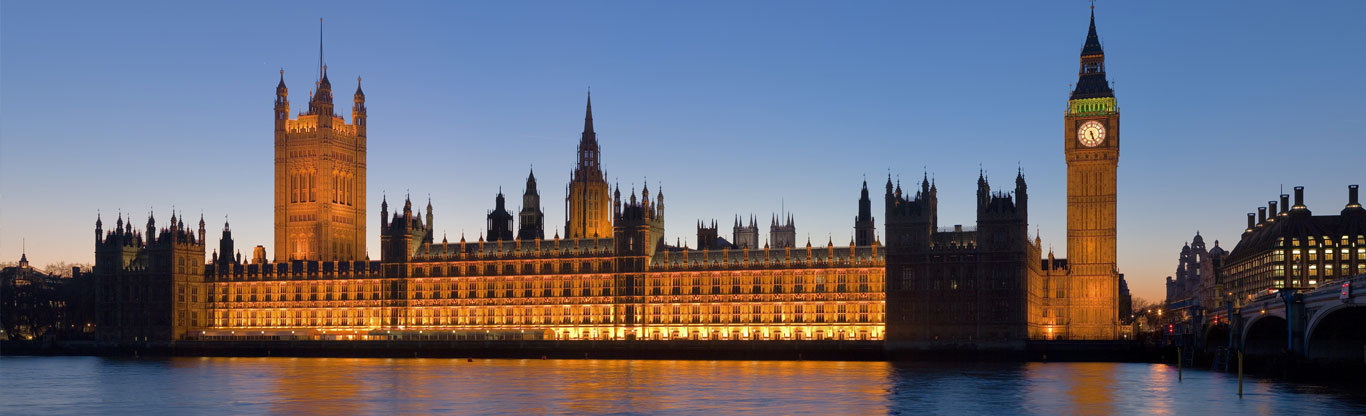
UK qualifications are recognized and respected throughout the world. Your UK qualification will be a solid foundation for building your future, boosting your career and prospects for a higher salary. UK universities, colleges and schools in UK will provide a vibrant, creative and challenging environment in which to develop your potential. Quality standards for UK institutions are among the best in the world.
Universities, colleges and schools continually have to prove that their courses meet strict criteria. Many other countries are now trying to follow the example of the UK. Studying in the UK is an unforgettable experience. Some universities in the UK are over 600 years old and have a long tradition of offering personalized education in the UK. All of them are owned and funded by the British Government and pass quality assurance audits. When you come to the UK, you get four countries in one England, Scotland, Wales and Northern Ireland. Each has its own distinctive history, landscape and modern culture.
And, because they’re all within easy reach of one another, they’re easy to explore. The national air, rail, coach and bus networks will get you almost anywhere in the UK- so you won’t need a car, as you might in some countries. Discounts or special rates are generally available for students on most forms of transport. All international students staying in the UK for a period of six months or more will qualify for free healthcare through the National Healthcare Service.
It’s easy to see the rest of Europe. The Channel Tunnel, cheap flights and ferries mean that you’re never too far away from the other great capital cities of the European mainland. The closeness of the rest of Europe means that many institutions offer work placements and periods of study there. Some courses are taught while others require research. Taught courses usually involve presentations, written course work such as marked essays, exams and dissertations. Classroom sessions are highly interactive, requiring student participation.
Why United Kingdom
The UK has grown to become one of the top destinations to study around the world. With traditions of excellence dating back hundreds of years, high class institutions at every corner and much more flexibility than many other countries, the United Kingdom has much to offer international students that other English-speaking countries cannot offer. But what makes the United Kingdom stand out? Why should you come to the UK as a destination to further your international education?
Growing Destination
International students have always been an important presence in the UK, and the numbers have been growing steadily. With over 330,000 international students during the 2005/2006 school year, the UK is the second most popular destination for international students, behind the US. The UK has worked hard to capitalize on the growing demand for English-language instruction and the post-9/11 visa hurdles in the US. For more demographic and statistical information about international students in the UK, visit the UK Council for International Student Affairs.
Worldwide Recognition
The degrees and qualifications from UK higher education institutions are known around the world as high quality and world class. The standard of excellence is set by some of the older universities with recognizable names, like Oxford and Cambridge, but the tradition carries through to many of the universities and colleges throughout the UK. When looking for work in the future, this can be a great selling point in your favour!
Education System
Education system in UK is similar to that of India and Australia, since these two countries follow theirs!
There are more than three thousand educational institutions that welcome international students in the UK. You can choose from a variety of routes through the education and training system, combining different types of course according to your needs and abilities. Many courses can also be taken through distance learning in your home country.
There are currently more than 10,000 Nepalese students studying in UK universities and colleges. The sheer variety of specializations means you will be able to find a course that suits your real interests, your ambitions and passions. For example, in the UK, you could specialize in anything from computer games programming, ocean engineering, music technology, meteorology or underwater photography to multimedia design, anthropology, women’s studies, hotel management or dance.
Admission
UK degrees can take only three years and postgraduate Master’s courses only one year – compared with four years and two years in most other countries. This means you will save a great deal on both tuition fees and living costs – and you will be able to start working and earning money sooner. UK degree courses are shorter because they are more intensive, and therefore more efficient in terms of your time and money.
Admission is based on individual institutions’ requirements, since there are no pre-requisite tests (other than for English proficiency). Most universities require good performance at the undergraduate level, in relevant area, in order to consider admission into their Master’s level programs. Most Master’s programs are of 12 months duration. MBA admission requires work experience of at least 2-3 years at the managerial level, in all decent UK universities. And, unlike in theUS, PhD applicants need a Master’s degree. Otherwise, applicants could register for aM.Phil. degree and transfer to Ph.D program if the progress is good.
Required tests
You may be required to sit on an English Language Test such as IELTS or TOEFL before the university will confirm your seat on the course. The IELTS is organized by the British Council and results take 2-3 weeks. The minimum scores usually required are 6.0 for IELTS and 550 for TOEFL. For MBA, a good GMAT score is required, in addition to IELTS or TOEFL scores and work experience of 2-3 years, in addition to decent academic performance at the Bachelor’s level.
Cost of Education
For undergraduate courses, the costs are approx. 7,000 for Arts, 8,000 for Sciences and between 7,000 and 18,000 for clinical programs. For international students, universities set their own fees and they vary by subject and by institution. The average costs of tuition in various fields are:
| Arts | £6,750 to £8,200 per year |
| Science | £6,500 to £9,950 per year |
| Clinical | £6,2000 to £17,400 per year |
| MBA | £7,500 to £13,500 per year |
(Programs at some top UK business schools can cost up to £20,000 per year).
For both types of postgraduate study (taught and research), you should budget for a 12-month academic year. Average living costs (covering accommodation, food, clothing, books, entertainment and travel) for an international student on a degree course are £768 per month in London and £600 per month elsewhere. Living expenses are approx. 400 to 500 pounds sterling per month depending upon your lifestyle and the city of residence. Please note, however, that some universities include the cost of accommodation and food within the total fee payable to them.
Applying for a visa
After securing admission into the University one must start with the visa formalities.
MEITS provides wide range of services for studying in UK. For information on our visa and other services, contact our office for further assistance.
Work After studies
Thanks to changes in work regulations, international students in the UK can now work up to twenty hours a week when studying and full time during vacations.
After completion of education, you are allowed to stay back for up to 3 months during which time you may try for obtaining a work permit to work in UK.
Universities
- University College London
- University of Oxford
- University of Cambridge
- University of Edinburgh
- University of Manchester
- University of Bristol
- University of Warwick
- University of Glasgow
- University of Sheffield
- University of Nottingham
- University of Birmingham
- University of St Andrews
- University of Leeds
- University of Southampton
- Durham University
- Queen Mary University of London (QMUL)
- Lancaster University
- University of York
- Imperial College London
- London School of Economics and Political Science